
The dream of exploring far-off lands, experiencing new cultures, and seeing the world’s wonders is a powerful one. Many people believe this dream is reserved for the wealthy, a luxury that requires a massive savings account. However, traveling the globe is more about resourcefulness and courage than it is about money.
This guide on how to travel world without money will show you that a lack of funds doesn’t have to ground your travel ambitions. With the right strategy, a flexible attitude, and a willingness to step outside your comfort zone, you can embark on an incredible journey. It’s time to redefine what it means to be a traveler and unlock the secrets to seeing the world on an almost non-existent budget.
Shift Your Mindset First
Before you pack a bag or look at a map, the most critical preparation happens in your mind. Traveling without money isn’t just a budget version of a typical vacation; it’s a completely different way of experiencing the world. You must move from a consumer mindset to one of a contributor and resourceful adventurer. Instead of paying for experiences, you will be creating value, exchanging skills, and embracing the unexpected. This means letting go of rigid plans and luxury expectations.
Your journey will be defined by human connection, not by financial transactions. You will learn to rely on the kindness of strangers, who often become friends, and trust in your ability to adapt to any situation. This shift requires you to see challenges as opportunities and to find wealth in experiences rather than possessions. Embrace minimalism, practice patience, and cultivate an open heart. This mental foundation is the most valuable currency you will carry.
Work Exchange Programs
One of the most structured and reliable ways to travel without spending money on accommodation and food is through work exchange programs. These platforms connect travelers with hosts around the world who offer lodging and meals in exchange for a few hours of work each day. The type of work varies widely, from helping on an organic farm or in a family home to working at a hostel, assisting with a creative project, or even caring for animals.
These programs offer immense benefits beyond just saving money. They provide a unique opportunity for deep cultural immersion, allowing you to live like a local rather than just visiting as a tourist. You’ll learn new skills, practice a new language, and build a global network of contacts. Platforms like Workaway, Worldpackers, and WWOOF (World Wide Opportunities on Organic Farms) are excellent starting points. They provide a secure framework with host reviews and support systems, making it a safe way to arrange your stays.
6 Simple Step-By-Step Guidelines on How to Travel World Without Money
Step 1: Build Your Travel Fundamentals and Skills
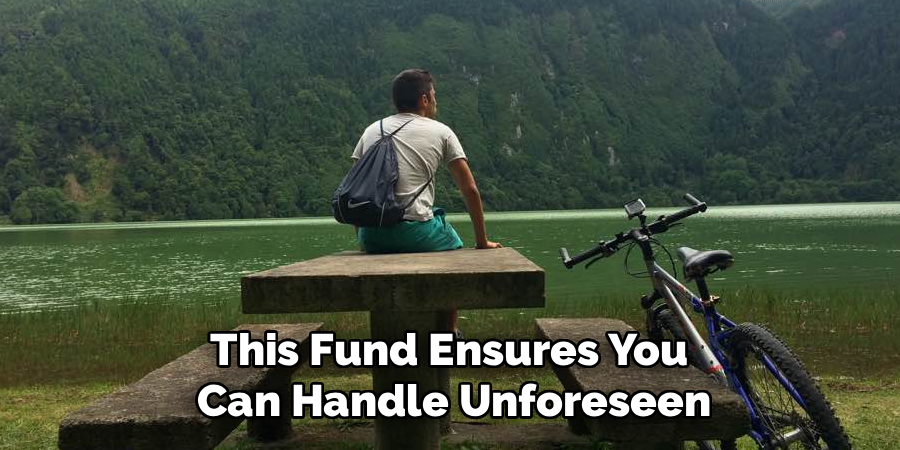
Even a “no-money” trip requires some initial resources and, more importantly, a set of marketable skills. Before you leave, focus on saving a small emergency fund. This isn’t for daily spending but for unexpected situations like a medical issue, a last-minute flight change, or a visa fee. Aim for at least $500 to $1000 to provide a crucial safety net. This fund ensures you can handle unforeseen problems without derailing your entire journey.
Simultaneously, take inventory of your skills. What can you offer in exchange for a place to stay or a meal? Skills like teaching a language, web design, carpentry, cooking, childcare, farming, or playing a musical instrument are highly valuable. If you feel your skill set is limited, start learning now. Take a free online course in digital marketing, get a TEFL certificate to teach English, or volunteer locally to gain experience in hospitality or agriculture. The more skills you have, the more opportunities will be available to you.
Step 2: Plan Your Route Strategically
Your choice of destination has a massive impact on the feasibility of a no-money trip. Focus on countries with a low cost of living, favorable visa policies for your nationality, and a strong culture of hospitality or a well-established backpacking trail. Regions like Southeast Asia, Eastern Europe, and parts of South America are popular choices for budget travelers for good reason. The cost of essentials is low, making it easier to manage if you need to buy something.
Research transportation options thoroughly. Overland travel is almost always cheaper than flying. Look into long-distance buses, trains, and ride-sharing opportunities. In many parts of the world, hitchhiking is a common and viable option, though it requires careful safety considerations. Also, research work exchange and volunteer opportunities in your target regions before you go. Having a few potential placements lined up through platforms like Workaway can provide a soft landing when you first arrive in a new country.

Step 3: Secure Free Accommodation
Accommodation is one of the biggest travel expenses, so eliminating it is key. Work exchange programs are a fantastic primary strategy, providing a stable base for a few weeks or months at a time. But for shorter stays or travel between longer commitments, there are other excellent options. Couchsurfing is a global community of travelers who offer a spare bed or couch to fellow members for free. This is not just about free lodging; it’s about cultural exchange and making local connections.
Another popular option is house-sitting. Platforms like TrustedHousesitters connect homeowners with travelers who will care for their homes and pets while they are away. This can provide you with a comfortable, private space for free. If you are more adventurous, you can also look into wild camping (where legal and safe) or staying in monasteries or religious communities that sometimes offer simple lodging to respectful visitors. Combining these methods ensures you will always have a place to rest your head.
Step 4: Master the Art of Finding Free Food
After accommodation, food is the next major expense. With a little creativity, this cost can also be significantly reduced or eliminated. If you are participating in a work exchange, most hosts will provide meals as part of the arrangement. This is the most reliable way to secure food. When you are on your own, you need to be more resourceful. Many supermarkets and bakeries discard perfectly good food at the end of the day.
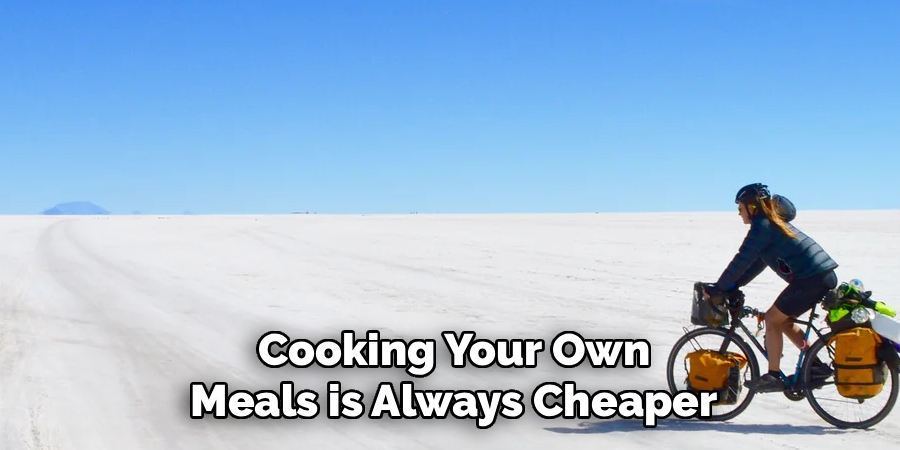
Politely asking a manager if they have any food they are about to throw away can sometimes result in a free meal. This practice, often called “dumpster diving” or “gleaning,” is more common and accepted in some cultures than others. You can also visit local markets near closing time when vendors are more likely to offer deals or give away leftover produce. Cooking your own meals is always cheaper than eating out. If you have access to a kitchen through Couchsurfing or house-sitting, you can prepare food in bulk.
Step 5: Find Free or Unconventional Transportation
Getting from one place to another can be a major budget challenge. Long-distance walking and cycling are the ultimate free methods, though they require a high level of physical fitness and a lot of time. For covering greater distances, hitchhiking is a time-honored tradition among budget travelers. To do it safely, always trust your gut instinct, never get into a vehicle if you feel uneasy, and try to travel with a partner if possible. Choose a safe spot to thumb for a ride, like a gas station or on-ramp where cars can easily pull over.
Beyond hitchhiking, look for ride-sharing opportunities on websites like BlaBlaCar, where you can split fuel costs with a driver already heading your way. While not entirely free, it’s significantly cheaper than public transport. In some cases, you can find work on sailboats or yachts, crewing in exchange for passage across oceans. This “boat-hitching” requires some networking in port towns but can be an incredible way to cross continents for free.
Step 6: Earn Money on the Road for Essentials
While the goal is to travel without spending, having a small income stream for necessities like visa renewals, toiletries, or the occasional treat is invaluable. Leverage the skills you developed in Step 1. If you can play a musical instrument, busking (street performing) can be a fun way to earn cash. If you have a TEFL certificate, you might find opportunities for private tutoring.
Digital nomad work is another excellent option. If you have skills in writing, graphic design, programming, or social media management, you can find freelance gigs on platforms like Upwork or Fiverr. All you need is a laptop and a decent internet connection, which you can often find for free in libraries or cafes. Selling crafts at local markets or offering services like haircuts to fellow travelers are other creative ways to earn a little money while embracing the traveling lifestyle.
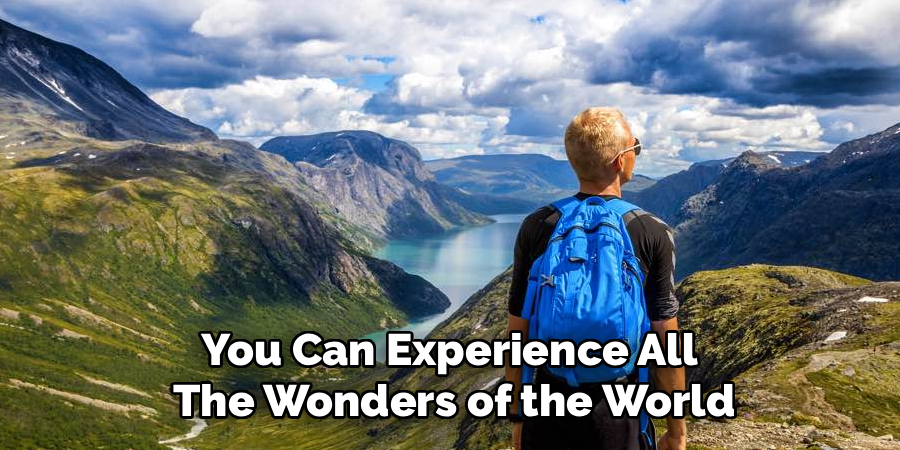
Following these steps on how to travel world without money, you can have a fulfilling and enriching journey without breaking the bank. It’s important to remember that traveling doesn’t always have to be expensive. With some creativity, determination, and careful budgeting, you can experience all the wonders of the world while staying within your means.
Legal & Visa Considerations
Always travel with a valid passport and research visa requirements for every country on your itinerary long before you arrive. Many work exchange arrangements operate in a legal gray area, so be discreet about your work-for-stay agreement with immigration officials.
Entering on a tourist visa typically prohibits earning money, so be aware of the laws. Keep digital and physical copies of all your important documents.
Safety Considerations
Your safety is paramount. Always trust your intuition; if a situation or person feels wrong, leave immediately. Share your itinerary with family or friends back home and check in regularly. Research the safety of a location before you go, especially regarding hitchhiking or camping.
Keep your emergency fund and important documents in a secure, hidden location on your person. Avoid displaying expensive electronics in public. Lastly, getting travel insurance with emergency medical coverage is a non-negotiable expense, even on a no-money trip.
Realistic Challenges
Traveling without money is not a permanent vacation. It can be exhausting, stressful, and challenging. You will face uncertainty, rejection, and discomfort. There will be days when you are hungry, tired, and miss the comforts of home. Work exchange jobs can be physically demanding, and the lack of privacy can be draining.
This lifestyle requires resilience, adaptability, and a strong sense of self-reliance. It is an incredible adventure, but it is important to go into it with a realistic understanding of the difficulties involved.
Frequently Asked Questions
Q1: Is It Really Possible To Travel With Absolutely Zero Money?
A1: While it is theoretically possible, it is extremely difficult and not recommended. You should always start with a small emergency fund to cover unforeseen expenses like medical care, essential gear replacement, or transportation in an urgent situation. The goal is to travel without spending money on daily living costs like accommodation and food, but having a financial safety net is a critical part of responsible travel.
Q2: What Are The Best Skills To Have For Work Exchange?
A2: Versatility is key. Practical skills are often in high demand, including anything related to farming, construction, carpentry, and general maintenance. Hospitality skills like cooking, cleaning, and guest services are perfect for hostels and guesthouses. Creative and digital skills such as photography, social media management, and web design are also highly sought after by many hosts looking to promote their businesses.
Q3: How Do You Stay Safe While Couchsurfing Or Hitchhiking?
A3: Safety comes from preparation and intuition. For Couchsurfing, always stay with hosts who have a complete profile and positive reviews from other travelers. For hitchhiking, travel with a partner if possible, let someone know your intended route, and never accept a ride if you feel uncomfortable. Trust your gut—it’s your most important safety tool. Choose your hitchhiking spot carefully, ensuring it’s a safe place for a car to pull over.
Conclusion
Traveling the world without a fortune is not just a fantasy; it is a tangible reality for those who are resourceful, resilient, and open-minded. By shifting your perspective from consumer to contributor, you can unlock a world of experiences that money can’t buy. Through work exchanges, house-sitting, and human connection, you will find that the most valuable currency on the road is kindness and skill.
This path is not an easy one. It will test your limits and push you far beyond your comfort zone. But the rewards—deep cultural immersion, lifelong friendships, and unshakable self-confidence—are immeasurable. Pack your skills, open your heart, and take the first step. The world is waiting. Thanks for reading this guide on how to travel world without money.

About
Larry Mays is a distinguished figure in the world of global exploration, with a decade of expertise creating innovative and sustainable travel itineraries. His professional focus lies in merging authentic local experiences with modern travel logistics, fostering journeys that are both culturally immersive and environmentally conscious. As the author of Travelorix, Larry delves into the art and science of modern voyaging, inspiring solo travelers and industry professionals alike.
Education
RMIT University (Melbourne, Australia) Associate Degree in Design (International Tourism)
-
Focus on sustainable tourism, industry-driven logistics, and practical expedition planning.
-
Gained hands-on experience with digital mapping tools and travel management software.
Nottingham Trent University (United Kingdom) Bachelor’s in Global Travel and Hospitality Design (Honors)
-
Specialized in experience design with a focus on blending cultural heritage with modern hospitality techniques.
-
Participated in industry projects, working with major hospitality brands and eco-resorts to gain real-world insights.
Publications and Impact
In Travelorix, Larry shares his insights on travel planning processes, cultural ethics, and strategies for efficient, low-impact exploration. His writing bridges the gap between local artisan knowledge and modern traveler needs, making it a must-read for both budding backpackers and seasoned travel consultants.