
Traveling often involves long hours in cramped seats where finding a comfortable position feels nearly impossible, leading to stiff necks and sleepless journeys. A good travel pillow can be the ultimate game-changer, transforming an exhausting flight or road trip into a restful experience by providing the essential support your head and neck crave.

Unfortunately, many travelers purchase these accessories but never learn how to use them properly, resulting in continued discomfort despite having the right gear. By mastering the correct techniques and adjustments for your specific pillow type, you can arrive at your destination feeling refreshed, energized, and ready to explore rather than nursing a sore neck. In this guide on how to use a travel pillow, we’ll cover everything you need to know to achieve ultimate comfort and support while on the go.
Types of Travel Pillows
Before diving into usage, it is helpful to understand the landscape of travel pillows, as each type offers different benefits. The most recognizable is the U-shaped pillow, typically filled with memory foam, microbeads, or inflatable air bladders, designed to cradle the neck. However, innovation has brought us wrap-around scarves that hold the head upright using internal structural support, which is often hidden within soft fleece.
There are also rectangular or peanut-shaped pillows that attach to headrests, acting as a bridge between your neck and the seat. For window seat lovers, J-shaped pillows provide chin support and a side cushion to lean against the wall. Finally, inflatable styles range from simple neck collars to massive, tray-table-supported cushions that allow you to lean forward and bury your face, mimicking the feeling of sleeping in a bed.
How to Position a U-Shaped Travel Pillow Correctly
The traditional way most people wear a U-shaped pillow—with the gap in the front—is actually often incorrect for maximum support. While it feels intuitive to place the bulk of the cushion behind your head, this often pushes your head forward, straining the neck further and causing your chin to drop when you fall asleep.
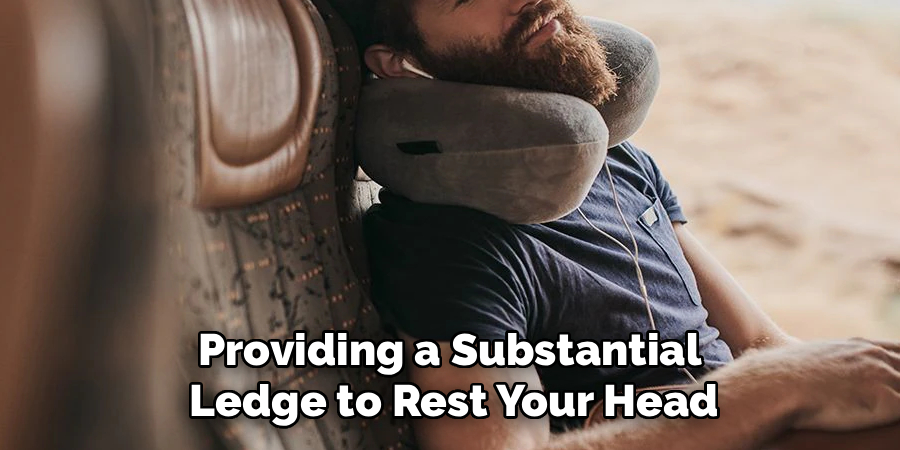
Instead, try rotating the pillow. For many travelers, the best position is to spin the pillow so the gap is at the back of your neck. This places the thickest part of the cushion directly under your chin, preventing your head from bobbing forward. Alternatively, you can rotate it 90 degrees so the bulk of the pillow is on either your left or right shoulder, providing a substantial ledge to rest your head against if you prefer side-sleeping but don’t have a window seat.
6 Simple Step-By-Step Guidelines on How to Use a Travel Pillow
Step 1: Pre-Adjust Your Pillow Before Departure
Many travelers make the mistake of waiting until they are already seated on a cramped plane or bus before even taking their travel pillow out of its packaging, which often leads to a frantic struggle with zippers, valves, or straps in a confined space. It is crucial to inspect and prepare your pillow while you are still at home or in the comfortable waiting area of the terminal, ensuring that it is clean, fully functional, and ready for immediate use the moment you board your transport.
If you are using an inflatable model, test the valve to ensure it holds air properly, and if you have a memory foam version that has been compressed in a travel bag, give it ample time to expand back to its full, supportive shape before you need to rely on it.
This preparation phase is also the perfect time to adjust any straps, toggles, or clasps that secure the pillow around your neck or to your luggage, saving you from fumbling with small mechanisms when the cabin lights are dimmed.
By taking these few minutes to pre-adjust your gear, you eliminate unnecessary stress during the boarding process and ensure that your first interaction with the pillow on your trip is one of immediate comfort and relaxation. You want your sleep setup to be seamless, allowing you to drift off as soon as the vehicle starts moving, rather than wasting precious rest time fighting with your equipment.

Step 2: Integrate the Pillow with Your Seat Headrest
Once you are settled in your seat, do not simply throw the pillow around your neck and hope for the best; you must actively integrate it with the existing seat architecture to create a stable and cohesive support system for your upper body.
Most modern airplane and train seats have adjustable headrests with wings that fold out; you should adjust these wings to cradle your head and then position your travel pillow to fill the remaining gaps, creating a snug nest that prevents your head from rolling side to side. If the seat back is too upright or pushes your head forward, you may need to recline slightly to create a better angle that allows the travel pillow to do its job without fighting against gravity and the seat’s awkward ergonomics.
The goal here is to create a seamless transition between your body, the travel pillow, and the seat itself, so there are no pressure points or empty spaces that allow your neck to kink into uncomfortable angles during deep sleep.
Pay close attention to the thickness of the pillow behind your neck; if the seat headrest pushes your head forward, use a pillow with a thinner back profile or adjust your seating position until your spine is aligned neutrally. This thoughtful integration transforms a generic seat into a customized sleeping station, drastically increasing your chances of getting high-quality rest during transit.
Step 3: Secure the Closures for a Snug Fit
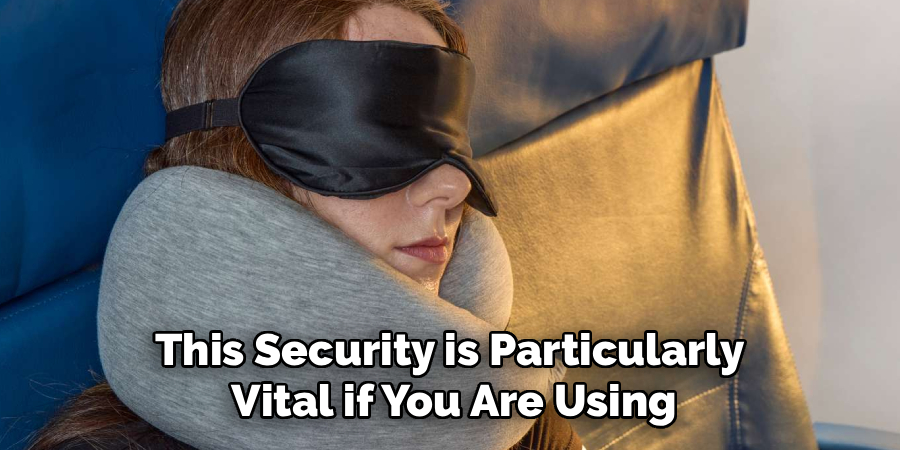
A travel pillow that slides around or falls off your shoulders every time you shift position is useless, which is why utilizing the front closures, toggles, or drawstrings is an essential step in the usage process that many people overlook. Tightening these closures brings the two ends of the U-shape closer together, providing 360-degree support and ensuring that the pillow stays firmly anchored around your neck regardless of turbulence or movement. This security is particularly vital if you are using the “chin support” method, where the pillow is reversed; the closure keeps the cushion tight against your jawline, effectively acting as a shelf for your head to rest upon.
However, there is a fine balance to be struck here; you want the pillow to be snug enough to provide structural support, but not so tight that it feels restrictive or chokes you, which would be counterproductive to relaxation. Experiment with the tightness levels while you are awake to find that “Goldilocks” zone where the pillow feels like a supportive embrace rather than a constricting collar. Once secured properly, you can relax your neck muscles completely, trusting that the pillow will catch your head before it drops into an awkward position, allowing for deeper and more uninterrupted sleep cycles.
Step 4: Experiment with Rotation for Optimal Support
Do not feel confined to wearing the pillow in the standard orientation depicted on the packaging, as human bodies are diverse and your specific comfort needs may change depending on your sleeping style and the specific seat you are in. If you find yourself waking up with a sore neck, actively rotate the pillow around your neck in 90-degree increments to test how different positions support your head’s weight against gravity. For side sleepers, moving the bulk of the cushioning to the left or right shoulder creates a massive, soft platform to lean into, effectively simulating the feeling of a standard bed pillow and relieving pressure on the opposite side of the neck.
This rotational experimentation allows you to adapt to the changing conditions of your journey; perhaps you start with the pillow backward for reading, then rotate it to the side when you are ready to sleep, and shift it again if your neighbor needs to get up. By treating the pillow as a dynamic tool rather than a static accessory, you unlock its full potential and can address specific pain points as they arise during long-haul travel. Remember that what works for the first hour of a flight might not be comfortable for the fifth hour, so be willing to adjust and rotate the pillow to maintain optimal comfort and blood flow throughout the duration of your trip.
Step 5: Combine with Other Sleep Accessories
Using a travel pillow in isolation is helpful, but integrating it into a broader “sleep kit” strategy significantly amplifies its effectiveness and signals to your brain that it is time to shut down and rest. While the pillow supports your posture, it cannot block out the stimulating environment of a busy cabin, so pairing it with a high-quality eye mask and noise-canceling headphones or earplugs creates a sensory deprivation bubble. Put on your travel pillow first to get your posture right, then add your eye mask, ensuring the strap doesn’t conflict with the pillow’s placement, and finally, add your audio solution to drown out engine noise and chatter.
This layering process is critical because even the most comfortable pillow cannot induce sleep if bright lights or loud announcements are constantly startling you awake, undoing the physical relaxation the pillow provides. By systematically combining these elements, you create a dedicated sleep environment that travels with you, making the pillow far more effective than it would be on its own. It turns the physical act of putting on the pillow into a psychological ritual, triggering your body’s sleep response and helping you maximize the rest you get, even in less-than-ideal circumstances.

Step 6: Deflate or Compress for Storage Before Landing
As your journey nears its end, the final step in using a travel pillow effectively is knowing how to transition it back into travel mode without causing damage to the product or adding stress to your arrival process. If you are using an inflatable pillow, begin deflating it gradually about 20 to 30 minutes before landing, squeezing out all the air systematically to ensure it can be folded down to its smallest possible size. For memory foam or fiber-filled pillows, use the compression straps or stuff sacks provided to minimize their bulk, ensuring you aren’t juggling a loose, bulky cushion while trying to navigate immigration or baggage claim.
Properly storing the pillow immediately after use protects it from getting dirty on the floor or lost in the seat pocket, and it keeps your carry-on luggage organized and manageable as you deplane. Taking the time to stow it correctly also means it will be ready and in good condition for your return trip or your next adventure, extending the lifespan of your investment. This final step closes the loop on the user experience, ensuring that the convenience the pillow provided during the flight doesn’t become an inconvenience once you are back on the ground and on the move.
Following these steps on how to use a travel pillow effectively will not only enhance your comfort during a flight but also make your overall travel experience more pleasant. Remember to choose the right pillow for your needs, adjust it properly, and stow it correctly after use. By incorporating a travel pillow into your routine, you can arrive at your destination feeling well-rested and ready to take on whatever adventures await you. Happy travels!
Common Mistakes to Avoid
One major error is over-inflating air pillows; a rock-hard pillow creates pressure points and bounces your head around rather than cradling it, so leave it slightly soft. Another mistake is ignoring the fabric material; scratchy or non-breathable fabrics can cause sweating and skin irritation, ruining your sleep.
Many people also forget to wash the removable cover, leading to hygiene issues and acne breakouts after travel. Lastly, don’t force your head into an unnatural position just to use the pillow; if it hurts, adjust it immediately.
Additional Comfort Tips
To truly maximize your comfort, consider the temperature of the pillow against your skin. If you tend to run hot, look for pillows with cooling gel layers or moisture-wicking covers like bamboo or modal. Conversely, if planes freeze you, a plush fleece cover adds warmth. Adding a light scarf between your neck and the pillow can also prevent friction burns and keep the pillow cleaner for longer.
Additionally, try wearing a hooded sweatshirt; putting the hood up before placing the pillow adds a layer of privacy and stops the pillow from sliding against the seat leather. Finally, consider using a lumbar support pillow in conjunction with your neck pillow to maintain proper spinal alignment.
Choosing the Right Travel Pillow
Selecting the right pillow depends entirely on your personal sleeping style and packing limitations. If space is your primary concern, an inflatable pillow is unbeatable as it packs down to the size of a soda can. However, if comfort is paramount and you have room to spare, memory foam offers superior contouring and support that air pillows cannot match.
Side sleepers should look for pillows with higher “wings” or sides, while forward sleepers might prefer the inflatable tray-table styles. Always test the pillow before your trip if possible; walk around your house with it for 15 minutes to see if it creates heat or pressure points.
Frequently Asked Questions
Q1: Can I Wash My Travel Pillow In The Washing Machine?
Most memory foam and microbead pillows come with a removable cover that is absolutely machine washable, and you should wash it after every trip to maintain hygiene. However, the internal foam or bead core usually cannot be submerged in water, as it will deteriorate or develop mold; these should only be spot-cleaned with a damp cloth. Inflatable pillows can generally be hand-washed with mild soap and warm water, but always check the specific care tag on your product.
Q2: Is A Memory Foam Pillow Better Than An Inflatable One?
Memory foam is generally considered superior for comfort because it molds to your specific neck shape and provides firm, consistent support without the “bouncy” feeling of air. However, inflatable pillows are far better for travelers with limited carry-on space, as they can be deflated and stored in a pocket. The “better” option depends on whether you prioritize sleep quality (memory foam) or packing convenience (inflatable) for your specific trip.
Q3: How Tight Should A Travel Pillow Be Around The Neck?
The pillow should be snug enough to support the weight of your head so that your neck muscles can fully relax, but it should never restrict your breathing or blood circulation. You should be able to fit two fingers comfortably between the pillow and your neck to ensure it isn’t too tight. If you feel your pulse in your neck or your face getting warm, the pillow is too tight and needs to be loosened immediately for safety and comfort.
Conclusion
Mastering the use of a travel pillow is about more than just buying one and throwing it around your neck; it requires understanding your sleep style, adjusting for the specific seat, and integrating it with other comfort strategies.
By following these guidelines on how to use a travel pillow—rotating the pillow for better angles, securing it properly, and choosing the right material—you can turn a dreaded long-haul journey into a restorative experience. Ultimately, the best travel pillow is the one you know how to use effectively, ensuring you arrive at your destination ready for adventure.